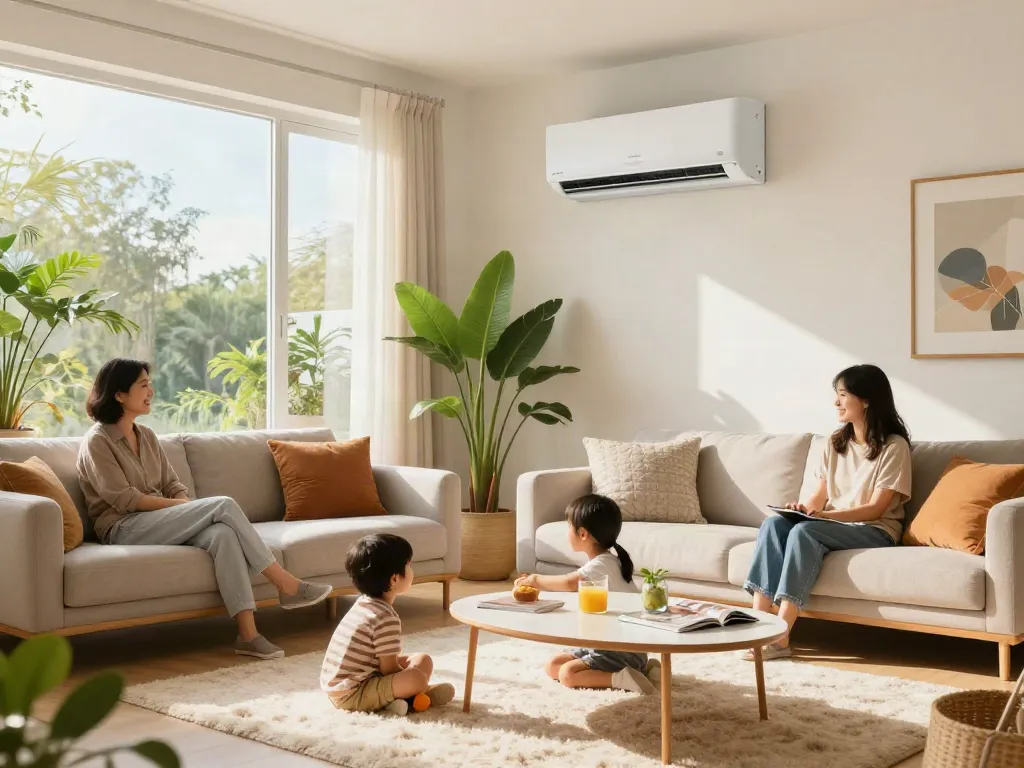
Understanding Ductless Air Conditioners
Ductless air conditioners, also known as mini-splits, have gained significant popularity due to their efficiency and versatility. Unlike traditional systems that require extensive ductwork, ductless units offer a streamlined alternative for both heating and cooling spaces. This makes them particularly appealing for homes where duct installation is impractical. When exploring options, ductless air conditioner provide comprehensive insights into high-performance solutions tailored to diverse climates and residential layouts.
What is a Ductless Air Conditioner?
A ductless air conditioner consists of two primary components: an indoor air handling unit and an outdoor compressor. This separation allows for flexible and energy-efficient climate control without the need for ducts. Each indoor unit can be mounted on walls or ceilings, providing targeted cooling or heating based on specific needs. This technology not only enhances comfort but also optimizes energy consumption.
How Ductless Systems Work Efficiently
Ductless systems operate using a heat pump mechanism that transfers heat rather than generating it. In cooling mode, refrigerant absorbs heat from the indoor air and transfers it outside, while in heating mode, the process reverses. This dual functionality ensures that homes remain comfortable throughout the year. Additionally, inverter technology in modern units adjusts the compressor speed, allowing for precise temperature control and reduced energy use.
Comparing Ductless and Traditional AC Systems
When comparing ductless systems to traditional central air conditioning, several key differences emerge:
- Installation: Ductless units are easier and faster to install, with minimal disruption to your home.
- Energy Efficiency: Ductless systems typically have higher SEER ratings, leading to lower utility bills.
- Flexibility: Multiple indoor units can be installed to control the temperature in different rooms independently, unlike a central system that cools or heats the entire home evenly.
Benefits of Ductless Air Conditioners
Energy Efficiency and Cost Savings
One of the primary advantages of ductless air conditioners is their energy efficiency. These systems can reduce energy consumption by up to 30-50% compared to traditional systems, translating into significant cost savings over time. Additionally, because they eliminate the energy losses associated with ductwork, homeowners can enjoy more consistent and controlled temperatures.
Improved Indoor Air Quality
Ductless systems contribute to improved indoor air quality by reducing the buildup of allergens and pollutants common in ducted systems. Without ducts, these systems prevent dust, mold, and other contaminants from circulating throughout the home. Moreover, many ductless systems come equipped with advanced filtration that can further enhance air quality.
Flexible Installation Options for Homes
The installation flexibility of ductless air conditioners makes them suitable for various settings, including additions, retrofits, or homes without pre-existing ductwork. Homeowners can choose from wall-mounted, ceiling-mounted, or floor-mounted units, allowing for optimal integration into existing decor. This versatility ensures that comfort can be achieved in nearly any environment.
Choosing the Right Ductless Air Conditioner
Key Features to Look For
When selecting a ductless air conditioner, it is essential to consider features such as:
- Efficiency Ratings: Look for models with high SEER ratings for better energy savings.
- Temperature Control: Inverter technology provides variable speed settings for precise temperature management.
- Noise Levels: Opt for models that operate quietly to ensure comfort without disruption.
Sizing Your Ductless AC System
Choosing the right size unit is crucial for maximizing efficiency and comfort. An undersized unit will struggle to cool your space, while an oversized unit may cycle too frequently, leading to inconsistent temperatures and increased energy costs. Consulting an HVAC professional can help determine the appropriate size based on factors like room dimensions, insulation, and local climate.
Top Brands and Models in 2026
Some of the leading brands for ductless air conditioners in 2026 include Mitsubishi, Daikin, and LG. Each brand offers various models equipped with advanced features such as smart home integrations and enhanced filtration systems. These options cater to diverse preferences and budgets, ensuring that homeowners can find the ideal ductless solution for their specific needs.
Installation and Maintenance of Ductless Systems
Professional Installation vs. DIY
While some homeowners may consider installing a ductless system themselves, professional installation is typically recommended. Certified technicians can ensure that the unit is correctly sized, installed, and connected, optimizing its performance. Additionally, many manufacturers require professional installation for warranty eligibility, making it a worthwhile investment.
Regular Maintenance Tips for Longevity
To keep ductless air conditioners running efficiently, regular maintenance is key. Homeowners should:
- Clean or replace filters every 1-3 months to maintain airflow and efficiency.
- Inspect the outdoor unit for debris and clear any obstacles to ensure proper airflow.
- Schedule annual professional maintenance to identify and address potential issues early.
Common Issues and Troubleshooting
Although ductless systems are generally reliable, homeowners may encounter a few common issues, such as:
- Inadequate Cooling or Heating: This could indicate a refrigerant leak or an incorrectly sized unit.
- Noisy Operation: Unusual noises may suggest loose parts or a malfunctioning compressor.
- Electrical Problems: Frequent tripping of circuit breakers may indicate an electrical fault that requires professional attention.
Future Trends in Ductless Air Conditioning
Smart Technology Integration
As smart home technology continues to evolve, ductless air conditioning systems are incorporating features such as app-based controls and AI-driven temperature adjustments. These innovations allow homeowners to optimize their energy usage and enhance comfort remotely, further solidifying the appeal of ductless systems.
Sustainable Practices in HVAC
With an increasing focus on sustainability, many manufacturers are developing ductless systems that utilize eco-friendly refrigerants and energy-efficient designs. These advancements contribute not only to lower energy bills but also to reduced environmental impact, aligning with global efforts to combat climate change.
Anticipated Innovations for 2026 and Beyond
As we look toward the future, anticipated innovations in ductless air conditioners include improved energy efficiency standards, advanced filtration technologies, and enhanced user interfaces. Furthermore, integration with renewable energy sources, such as solar panels, promises to elevate the sustainability of these systems.
Are ductless air conditioners any good?
Yes, ductless air conditioners are highly regarded for their energy efficiency, flexibility, and ease of installation. They offer excellent temperature control and can help improve indoor air quality, making them a popular choice for many homeowners.
What are the downsides of a mini split AC system?
Despite their benefits, ductless systems do have some downsides, including higher upfront installation costs compared to traditional systems. Additionally, the appearance of wall-mounted units may not be aesthetically pleasing to all homeowners. Regular maintenance is also necessary to keep the system running efficiently.
How much does it cost to install a ductless AC unit?
The cost of installing a ductless air conditioning unit can range from $3,000 to $7,000, depending on the size of the unit, the number of indoor units needed, and any additional installation complications. While the initial investment can be significant, lower operating costs typically lead to savings that offset the initial expense over time.
Is it cheaper to run a mini split or central AC?
In general, ductless mini-split systems are cheaper to run than central air conditioning systems. Their higher efficiency ratings and the absence of duct losses mean they consume less energy, leading to lower utility bills. Homeowners may find that the overall costs associated with mini-splits are more manageable in the long run.